Sold & Saved: The Dunbar School in Lexington, NC!
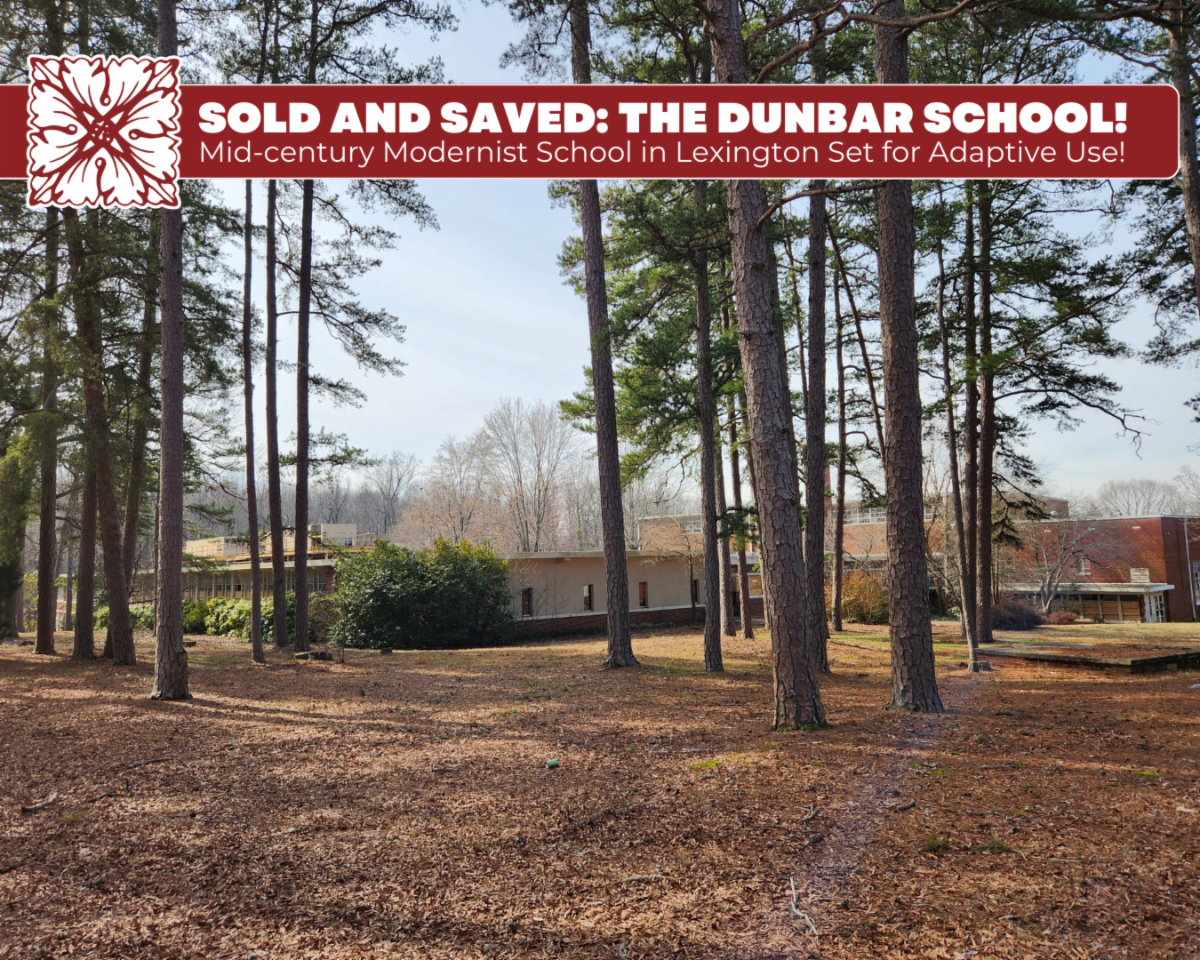
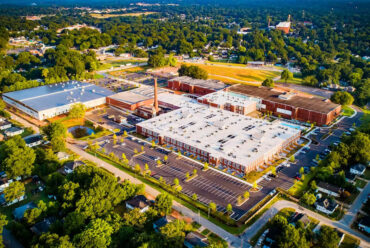
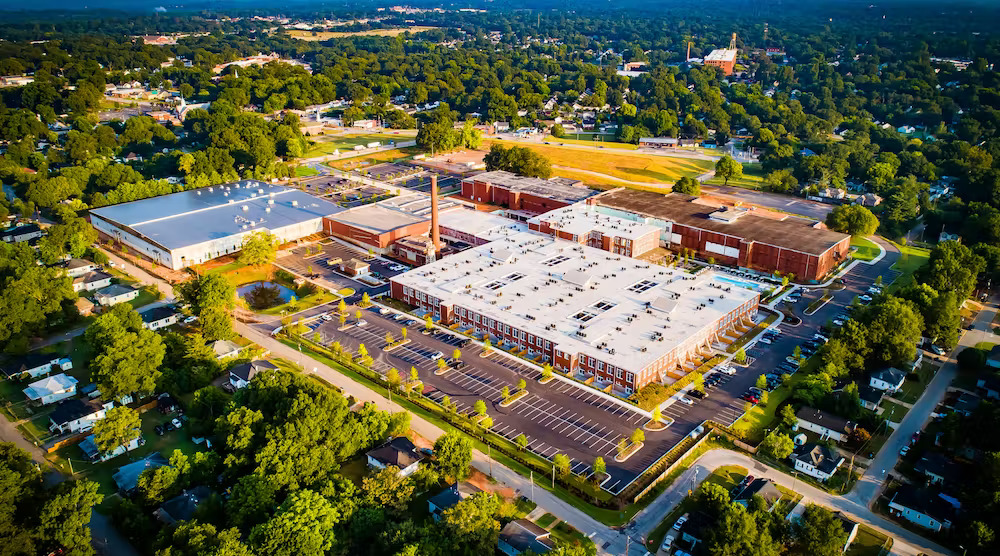
Preservation North Carolina is pleased to announce the successful sale of the historic Dunbar School, located at 301 Smith Avenue in Lexington, NC. The property, encompassing 10 acres of historically significant land, has been sold subject to protective covenants and a rehabilitation agreement. Now, under the stewardship of Dunbar Belrock Ventures LLC, the Dunbar School will soon embark on an exciting adaptive reuse project centered around new housing units and serving the needs of the local community!
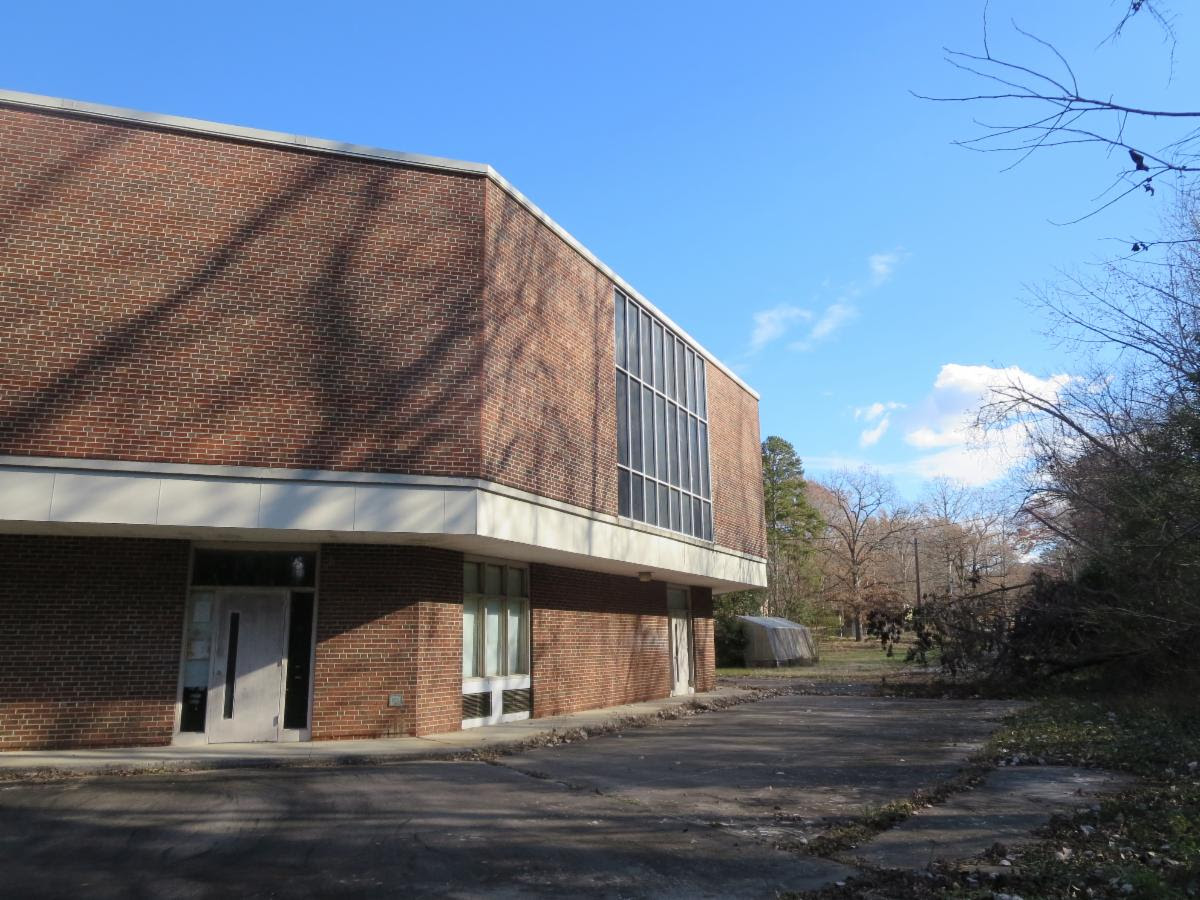
Constructed in 1951 and named in honor of African American poet Paul Laurence Dunbar, this Mid-Century Modern school served as a vital educational institution for the Black community before school integration. Notable additions were made in 1957 and 1962, culminating in a 1973 octagonal extension that included a media center and accessible hallway.
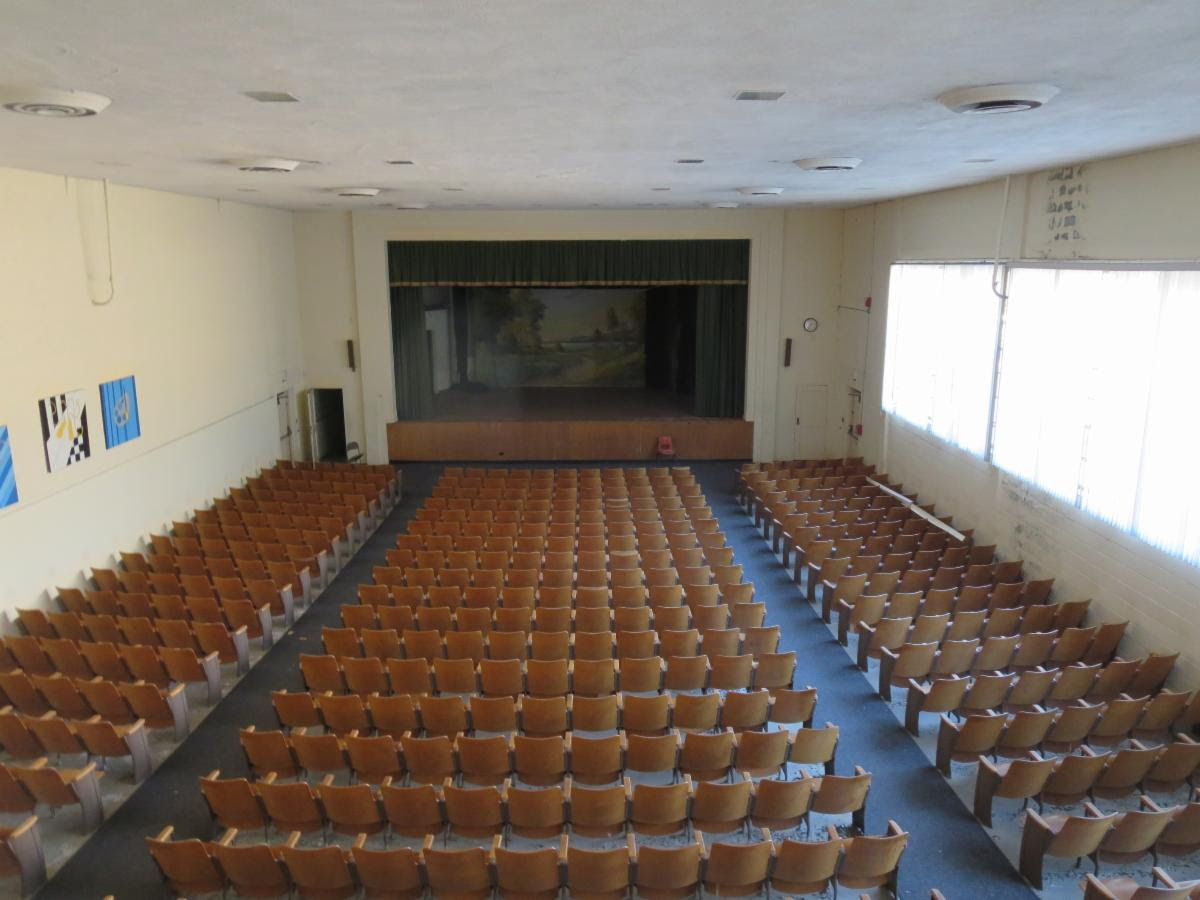
Designed for flexibility and natural light, the building includes approximately 30 classrooms, a media center/library, a spacious auditorium for over 500 people, a cafeteria with seating for more than 250, and a gymnasium. Since 2009, the structure has remained unoccupied, though the former sports areas are currently leased by the City of Lexington for use as a public park.
“This property holds both cultural and architectural significance for central North Carolina. It was built in 1951 for Black students in the Modernist-style at the beginning of racial integration of schools, and its progressive style – including its octagonal library – sought to convey new higher standards for its students.” says Benjamin Briggs, President and CEO of Preservation North Carolina.
“This project,” he added, “is also a reminder that historic preservation requires patience. This property was acquired from the City of Lexington Board of Education in 2009, but initial plans by the Catholic Diocese of Charlotte did not come to fruition. Thanks to their generous donation of the property back to PNC, we were able to regroup, the results of which we celebrate with this sale.”
“Preservation NC worked with members of the community, City staff and the new owners as they developed their plans for this significant historic school,” Says Cathleen Turner, Preservation NC’s Piedmont Regional Director. “We are excited about their plans and look forward to the project getting underway and playing an important role in the community once again.”
Preservation NC’s protective covenants and rehabilitation agreement will guide future development to ensure the preservation of the school’s architectural and cultural integrity. The project will adhere to the Secretary of the Interior’s Standards for Rehabilitation of Historic Properties and utilize preservation tax credits.



These awards recognize outstanding people, projects, businesses, and organizations in the field of historic preservation. The strength of our awards program comes from the work of people who take the time to nominate deserving individuals, organizations, and projects that have made a difference in historic preservation.
The 2025 Honor Awards will be presented in Asheville on October 6 during Preservation NC’s Annual Conference. Click here to view the full conference schedule and register online today!
Congratulations to the 2025 NC Preservation Awards Honorees!

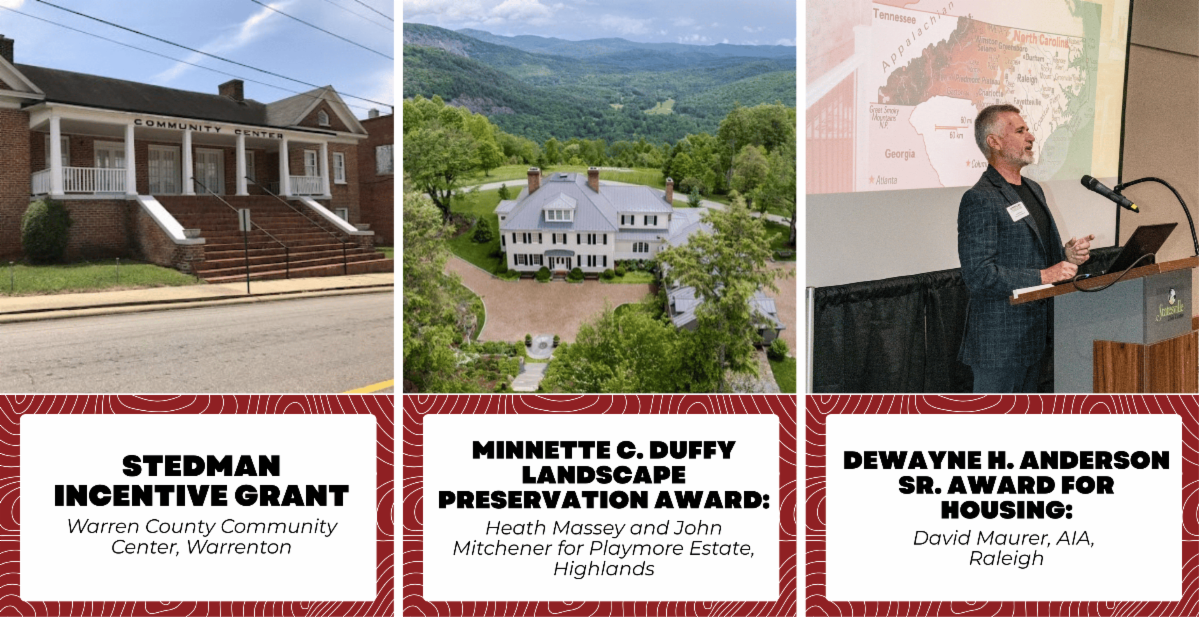


This year’s Annual Conference in Asheville offers an exciting mix of special events, speakers, field sessions, awards, and diverse architecture!
See the full conference schedule online and register now to take advantage of our early-bird rates (10% off the standard rate). Early-bird pricing ends September 14, so don’t delay!

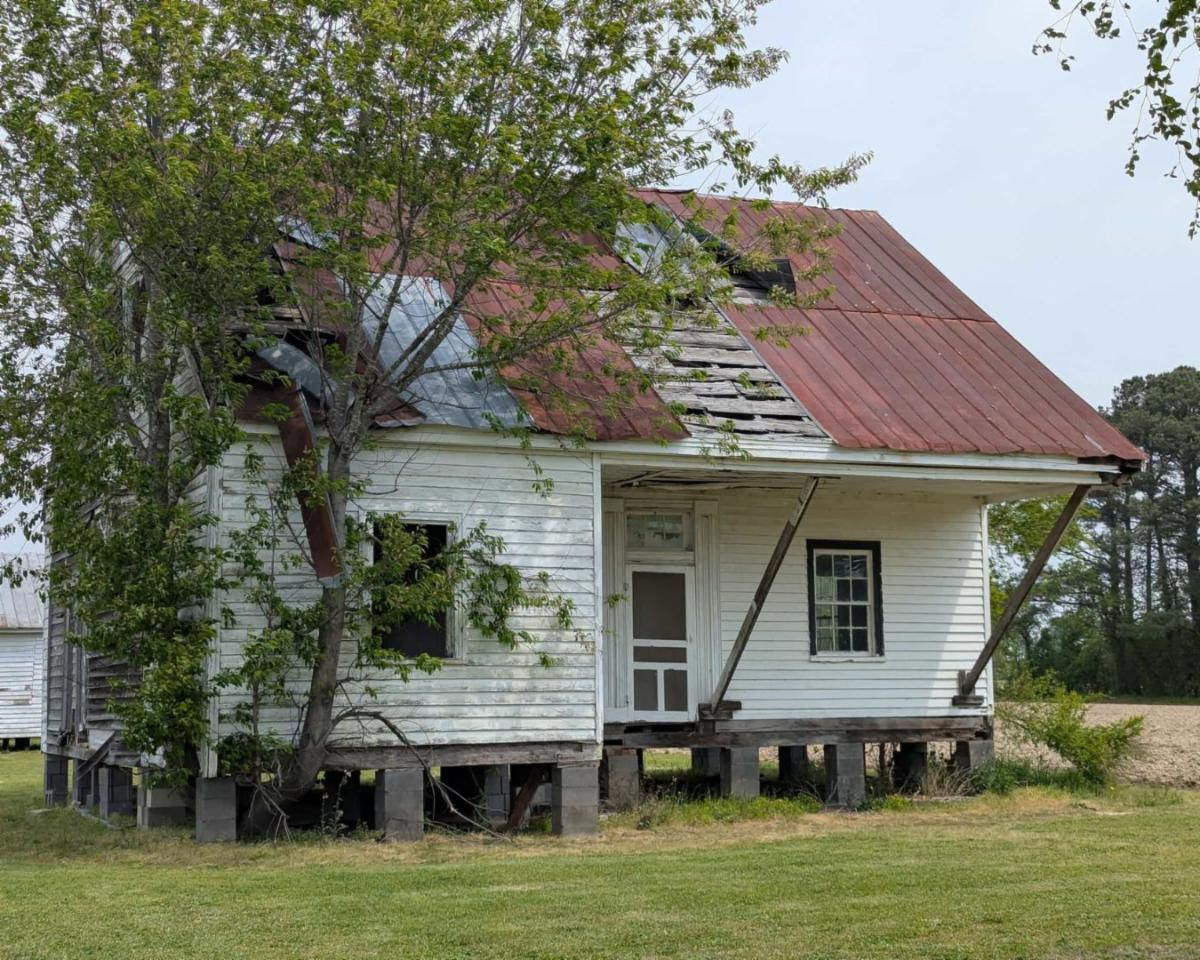
MUST BE MOVED! Early Johnston County ‘Coastal Cottage’ with rich Georgian/Federal woodwork, deep recessed porch, and exquisite interior decorative paint! The structure must be relocated to a new site.
The Alfred Altman House is considered “the most lavishly decorated” of Johnston County’s coastal cottages. It is also one of the most endangered. The house must be moved by December 2025 or it will be lost to demolition!
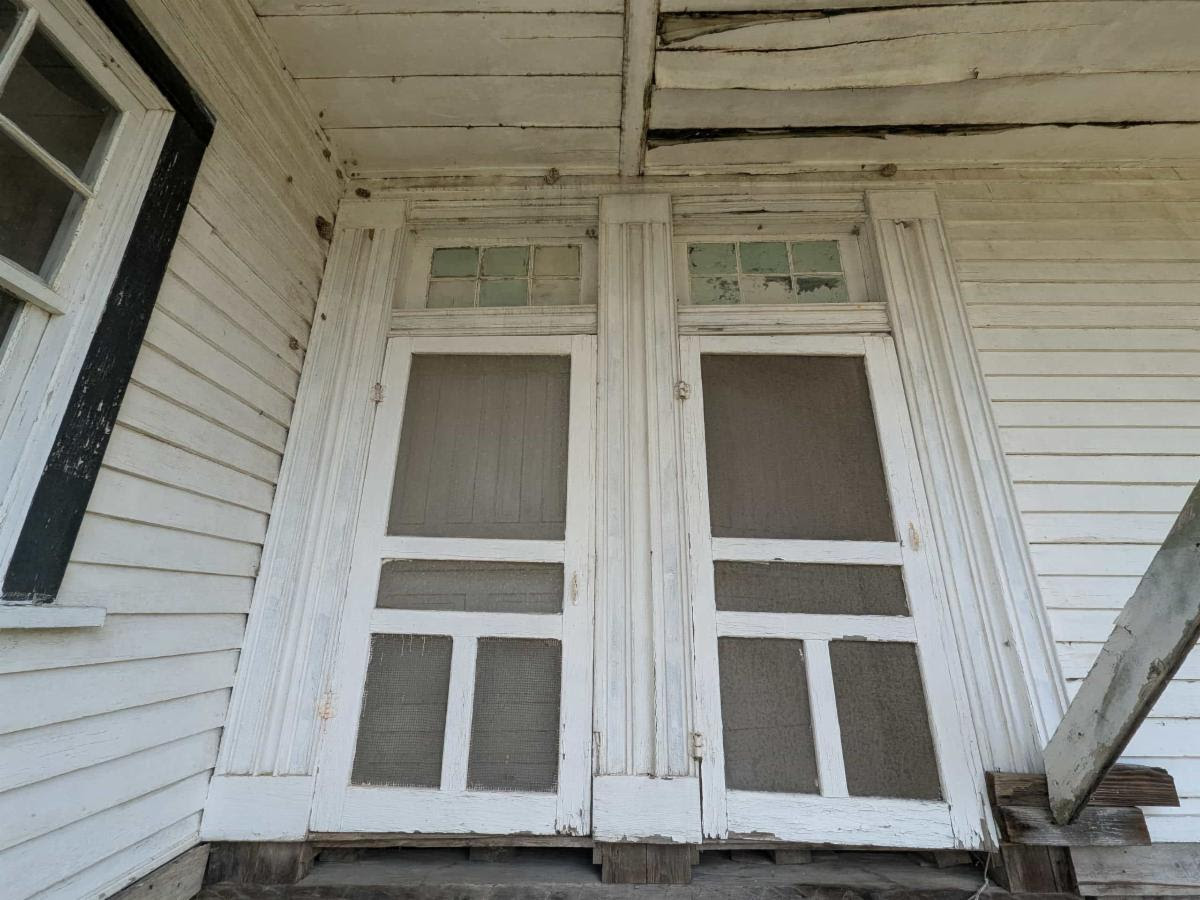
Built in the 1840s for Alfred and Elizabeth Jernigan Altman on land inherited from his father Nathan, the house is notable for its excellent Georgian and Federal style woodwork and one of the finest enclosed staircases in the area with colorful marbleized decorative paint. The two light-filled spacious first floor rooms are each entered through its own front door, both of which are richly ornamented with eight panels in a unique configuration and surrounded by paired symmetrical moldings below transom windows. A similar door arrangement can be found on the back of the house within a, once open, recessed porch.
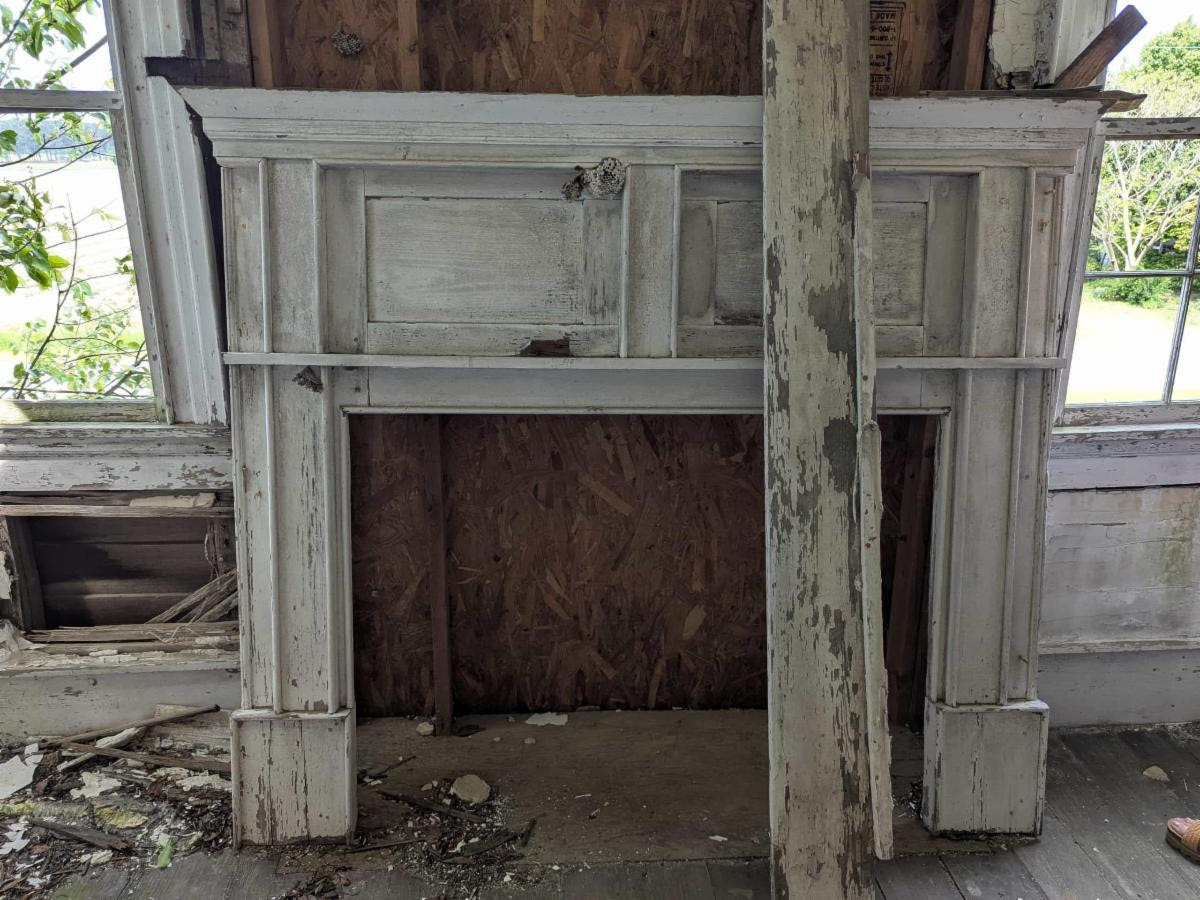
Both first floor rooms have imposing mantels with exuberantly paneled friezes and molded cornices with engaged pilasters, and raised panel wainscot with molded chair rail below plaster walls and ceilings. Large four-panel doors and windows possess refined three-part surrounds. Some door hardware remains. The three smaller rooms on the first floor are a mix of plaster and plank walls and ceilings.
The enclosed staircase retains a rare showcase of decorative paint including marbleized door panels, stair risers and exquisite paneled wainscot leading to the second floor. The two second floor rooms have similar, yet small, finely finished mantels as the first floor, tall baseboards and paneled doors.
The house and two early outbuildings were moved from their original location back in 2008 and remained on block piers for relocation to a permanent site. The chimneys were removed during that time. Some woodwork, including the porch posts and round porch railings, were also removed but retained for future re-installation. Some of the clapboards have been removed over the years and roof tin has blown off, leaving the house open to the elements and incurring damage in areas.
Even so, it remains in remarkable condition, primed for relocation to a new permanent site. Once on its new foundation with water and sewer/septic in place at the new site, a complete rehabilitation of the structure will be required including all new systems—electrical, plumbing, HVAC—plus updated kitchen and baths. The ideal site for relocation of the structure will be within Johnston County.